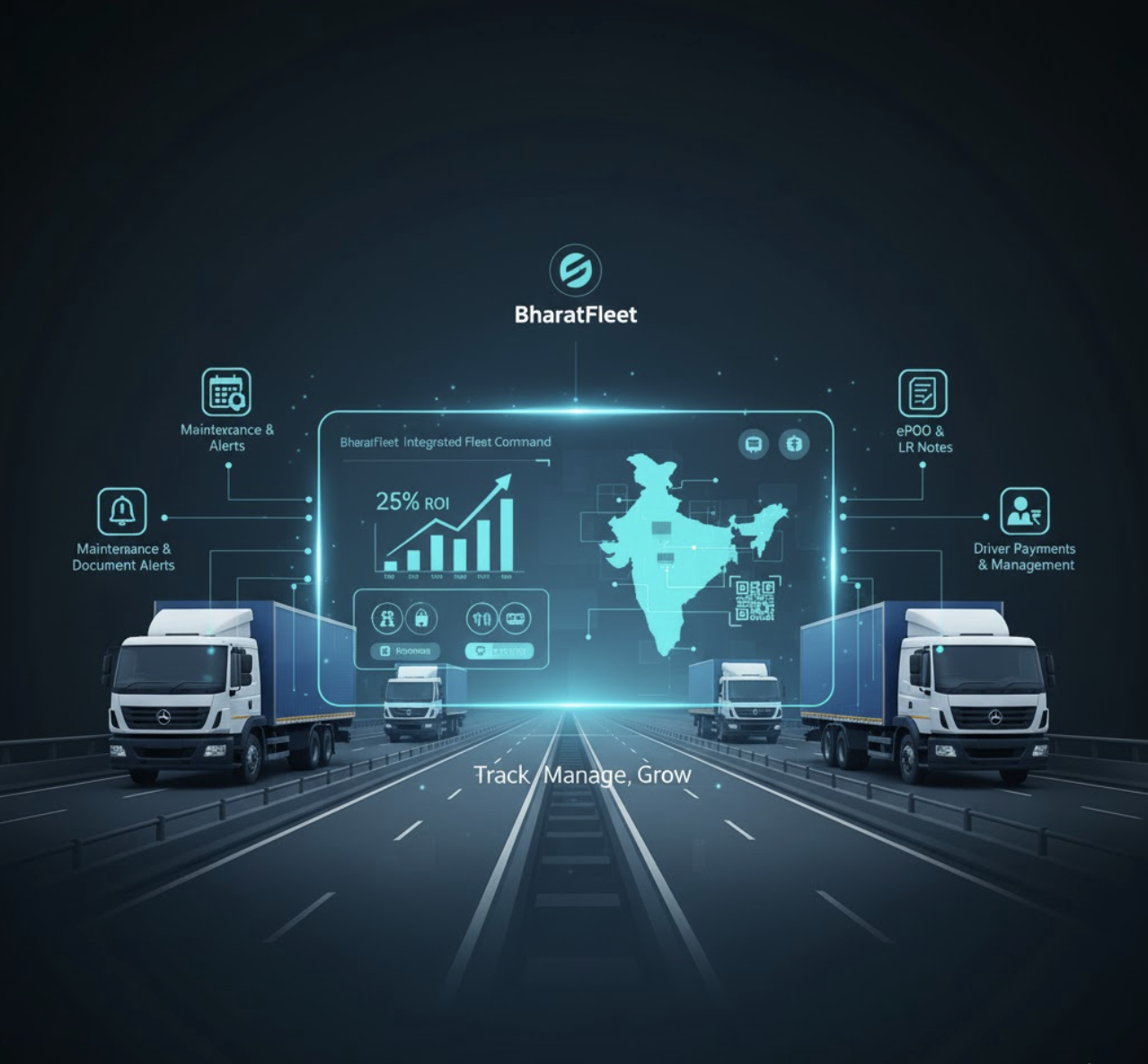

The logistics and transport sector across India is evolving at an unprecedented pace. Fleet operators face constant pressure from fluctuating fuel prices, demanding delivery timelines, and the critical need to ensure driver safety on unpredictable roads. Relying on legacy systems, paper logs, or fragmented messaging apps is no longer viable for businesses that want to remain profitable. Integrating modern, centralized digital infrastructure is key to optimizing vehicle dispatch routines, preventing expensive breakdowns, and protecting your valuable assets in transit.
Centralize Operations with Smart Telematics
Managing a diverse commercial fleet requires complete, real-time visibility over every asset on the road. Implementing state-of-the-art Fleet Management Solutions provides dispatchers with a unified digital dashboard to track routes, monitor driver behavior, and measure idle times. Leveraging advanced telematics means you can spot inefficiencies the moment they happen, ensuring your trucks remain active, safe, and on the most direct paths to their destinations.
Prevent Costly Downtime and Manage Emergencies
A single unexpected vehicle breakdown or roadside incident can disrupt an entire supply chain, leading to unhappy customers and steep repair bills. Transitioning from reactive fixes to proactive maintenance is easy when you deploy Fleet Maintenance Alerts Software. This system monitors engine diagnostics and mileage to send automatic service reminders before minor wear turns into a major breakdown. Furthermore, having a structured Accident Response Fleet Solution ready ensures that if an emergency occurs on the highway, your dispatch team is instantly notified to coordinate medical aid, dispatch replacement vehicles, and document the scene for insurance claims.
Maximize Efficiency with India’s Best TMS
To compete in today’s high-velocity market, logistics providers need software tailored specifically to the unique infrastructure challenges of the Indian subcontinent. Choosing the Best Transport Management Software (TMS) in India (2026) allows companies to automate freight booking, optimize load configurations, and handle complex multi-stop route planning. When combined with dedicated Fleet Expense Management Software, business owners can easily monitor fuel card transactions, driver allowances, toll charges, and maintenance costs to generate precise profitability reports per trip.
To ensure your transport business runs smoothly through the year, implement these essential logistics strategies:
-
Set Up Predictive Service Schedules: Use automated mileage trackers to schedule oil changes and tire rotations during scheduled downtime.
-
Utilize Real-Time Route Planning: Bypass major highway construction and traffic bottlenecks dynamically to cut down on idle fuel waste.
-
Digitize All Trip Expenses: Eliminate manual paper receipts by integrating digital toll and fuel card logs directly with your central dashboard.
Partnering with the engineering experts at BharatFleet guarantees your logistics business operates with a highly dependable, secure, and intuitive digital system designed to lower operational overhead and accelerate business growth.
Key Benefits of an Integrated Fleet System
-
Real-Time Route Tracking: Monitor exact truck locations and speed parameters continuously to ensure secure, on-time arrivals.
-
Automated Expense Reports: Capture toll payments, fuel purchases, and driver out-of-pocket expenses on a single screen.
-
Proactive Upkeep Scheduling: Receive automatic alerts for upcoming vehicle maintenance based on live odometer readings.
-
Rapid Incident Coordination: Access instant emergency logs and step-by-step guidance to manage highway accidents safely.
-
Optimized Load Distribution: Maximize vehicle storage capacity while staying fully compliant with axle weight limits.
Frequently Asked Questions
Q: How does a TMS help lower our monthly fuel expenditures?
A: The platform uses smart routing algorithms to eliminate unnecessary out-of-route driving, curb excessive engine idling, and suggest the most fuel-efficient paths.
Q: Can the fleet tracking system scale as our transport company grows?
A: Absolutely. Modern cloud-based systems are designed to seamlessly scale with your business, allowing you to add new vehicles, drivers, and hubs instantly.
Q: Does the software support offline tracking when drivers are in remote locations?
A: Yes, the onboard hardware logs critical telematics and GPS data even during temporary cellular dropouts, uploading the complete trip history the moment the signal is restored.
Q: How does the accident response system help with commercial insurance claims?
A: The system captures real-time vehicle speed, braking data, and impact location metrics, giving you clear, undisputable digital evidence to streamline claims processing.